


Many of you know that I sit on the clinical advisory board for a couple of companies. One of which is a company that is absolutely on the cutting edge when it comes to research of minerals, which has allowed me to dive head first into a lot of science when it comes to electrolytes, and magnesium specifically.
Can we have too much water?
We all know that water consumption is crucial when it comes to our health. When we are born, 75% of our weight is water, falling to 55% once elderly.
With more of our body water than anything else, drinking water is unquestionably important. But while you often hear that you need to drink plenty of water, is there a situation where you can have too much of a good thing?
The answer to this question is yes. While you do want to drink enough water to avoid hydration and keep everything in your body running well, you also want to not drink so much water to throw off your electrolyte balance.
Okay, but What ARE Electrolytes?
What are electrolytes? Simply put, they are chemicals or nutrients that hold a charge when dissolved in water. In your body electrolytes are responsible for making sure that the electrical signals in the body work properly. They work through their positively and negatively charged ions, which signal nerve communication.
These charged particles make muscles contract, which includes your heart beat, are responsible for nerve function, such as the cognition in your brain that is based on these nerve impulses, and keep fluid balance in control
Electrolytes are lost when you sweat and can fall out of balance if you consume too much or too little water. You have probably noticed the salty taste of sweat – this is due to the excretion of sodium, a positively charged electrolyte, when you sweat.
What are the Warning Signs?
So how can you tell if your electrolytes are out of balance? You may experience muscle cramps, including abdominal cramping, fatigue and headache, irregular heartbeat, lethargy and even mood irregularities, such as irritability and confusion.
Kidneys play a crucial role in maintaining fluid balance in the body. If you consume water faster than the kidneys can excrete it, you can experience hyposmolarity. This is when the electrolytes in your blood become diluted.
Hyposmolarity is most common during long periods of exercise or heat exposure, when your body tells you that you need water and you consume large amounts in a short period of time. An imbalance can also occur when you get sick – if you have diarrhea you are excreting both water and electrolytes.
One way to minimize this is the consume electrolytes either in or with your water. Drinks like coconut water and watermelon juice are natural options of drinks containing both water and healthy, natural balances of electrolytes.
The major electrolytes are sodium, potassium, calcium, magnesium, phosphate and chloride.
The standard American diet is lacking in many of these minerals, especially magnesium.
Magnesium is the 4th most abundant mineral in our bodies, yet due to a reduction of whole foods and an increase of processed foods lacking added magnesium, fewer than half of us will consume the recommended daily amount of magnesium each day.
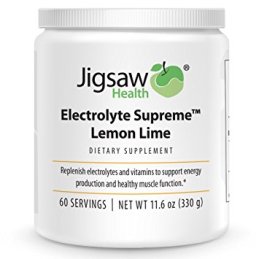
Low magnesium levels have been tied to many health concerns, including ADHD, migraines, Alzheimer’s and cardiovascular disease. Muscle spasms and mood problems such as anxiety and brain fog can often be attributed to insufficient magnesium levels.
To be sure you are getting sufficient magnesium, take about 200 mg of magnesium daily and eat whole foods such as leafy greens, nuts, fish and seeds.
References:
1. Water, hydration and health
https://www.ncbi.nlm.nih.gov/pmc/articles/PMC2908954/
2. Water and electrolytes
https://www.ncbi.nlm.nih.gov/books/NBK234935/
3. Magnesium in prevention and therapy
https://www.ncbi.nlm.nih.gov/pmc/articles/PMC4586582/
4. Electrolyte Disorders
https://www.healthline.com/health/electrolyte-disorders#Causes3
Is Drinking Too Much Water Holding You Back?
Many of you know that I sit on the clinical advisory board for a couple of companies. One of which is a company that is absolutely on the cutting edge when it comes to research of minerals, which has allowed me to dive head first into a lot of science when it comes to electrolytes, and magnesium specifically.

January 25, 2018







close the Comments -