


One of the most overlooked signs of poor metabolic health is fat around the liver — and it’s not always visible on the outside.
That’s why non-alcoholic fatty liver disease is quietly affecting more than 25% of Americans.
The good news?
You can turn it around — and it’s actually pretty simple.
You just need to focus on better foods and better metabolic signals.
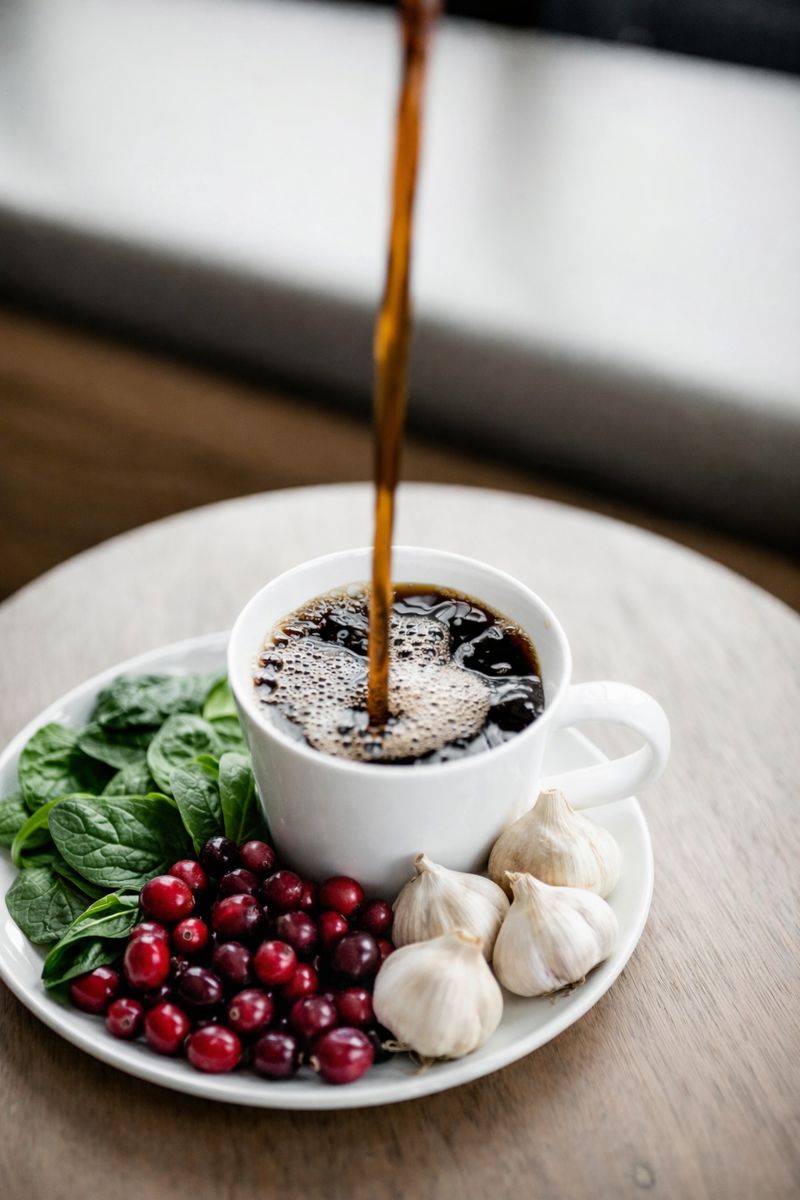
Here are 7 evidence-backed foods that support liver health in a very real way. These aren’t trends. These are clinically supported tools you can actually use — especially numbers 1 and 4.
1. Garlic
Garlic is one of the most underrated liver-support tools out there.
A study found that people taking 800 mg per day of garlic saw significant reductions in liver fat, ALT, and AST levels — without changing diet or exercise.
The key compounds here are allicin and other organosulfur compounds, which:
-
Suppress inflammation
-
Boost glutathione (your body’s primary antioxidant defense)
That combination is huge for liver health.
2. Coffee
Black coffee — not sugar-loaded lattes — is one of the most powerful liver-protective beverages we know of.
Large meta-analyses show:
-
A 23% lower risk of developing fatty liver
-
A 32% lower risk of liver fibrosis in people who already have it
That’s thanks to compounds like caffeine, kahweol, and cafestol, which reduce inflammation and scarring inside liver tissue.
The sweet spot appears to be 2–3 cups per day.
3. Spinach (Raw)
Raw spinach — not cooked — has been shown to lower NAFLD risk by over 50%.
It’s rich in:
-
Carotenoids
-
Polyphenols
-
Dietary nitrates
These compounds boost nitric oxide production and activate AMPK, a master regulator of fat-burning and inflammation control.
Simple, cheap, effective.
Bonus: Fasting & Liver Fat
Time-restricted eating and intermittent fasting consistently improve insulin sensitivity and reduce liver fat — even without cutting calories.
But fasting only works if you do it correctly.
Most people fast and then accidentally under-eat. That slows metabolism, drains energy, and wipes out the benefits.
When you fast, you still need to eat enough when it’s time to eat. Period.
I’ve been fasting for over a decade. It’s what helped me lose over 100 pounds, and it’s the backbone of how I manage my metabolic health.
One of the biggest reasons fasting works so well for liver health is energy stability — and electrolytes matter far more here than most people realize.
If you feel flat, foggy, or drained while fasting, it’s almost always an electrolyte issue — not fasting itself.
That’s why I personally use electrolytes like LMNT during fasts. Proper sodium, potassium, and magnesium make fasting feel the way it’s supposed to: clean, focused, and energizing.
4. Cranberries
Clinical trials show cranberry extract improves insulin sensitivity and reduces liver fat.
Cranberries contain pterostilbene, which activates PPAR-alpha — a gene that increases fat burning and lowers triglycerides.
This is one of the most under-appreciated liver foods out there.
5. Beetroot Juice
Beets are loaded with nitrates and antioxidants that protect liver tissue at a cellular level.
Animal studies show beetroot:
-
Reduces inflammation
-
Lowers oxidative stress
-
Decreases liver scarring
Much of this happens through activation of the Nrf2 pathway, your body’s internal detox and repair system.
6. Extra Virgin Olive Oil
Extra virgin olive oil does more than reduce inflammation.
It actively protects the liver from structural damage by:
-
Activating antioxidant pathways
-
Suppressing NF-κB (a major inflammatory signal)
-
Reducing endoplasmic reticulum stress, which accelerates liver disease progression
This is one of the healthiest fats you can consistently include.
7. Whey Protein
High-quality whey protein has been shown to:
-
Reduce liver fat
-
Improve blood sugar control
-
Increase glutathione production
Just make sure it’s clean. Skip mass gainers and low-quality powders loaded with sugar and fillers.
The Takeaway
Fatty liver isn’t just about alcohol — and it isn’t just about calories.
It’s about metabolic stress, insulin signaling, inflammation, and cellular energy.
The good news is that your liver responds fast when you give it the right signals.
Better food choices.
Smarter fasting.
Consistent metabolic support.
That’s how you turn this around.
This post reflects the kind of ongoing, real-time thinking Thomas shares with email subscribers as new research and personal experience continue to shape how he approaches metabolic health.
Watch the deeper breakdown
If you want to understand why fatty liver responds so strongly to changes in carbs, insulin, and fat metabolism — and what’s actually happening inside the liver — I break it down in more detail in this video.
They Found How to Reduce Fatty Liver
One of the most overlooked signs of poor metabolic health is fat around the liver — and it’s not always visible on the outside. That’s why non-alcoholic fatty liver disease is quietly affecting more than 25% of Americans.
June 30, 2026






close the Comments -